What is W Sitting?
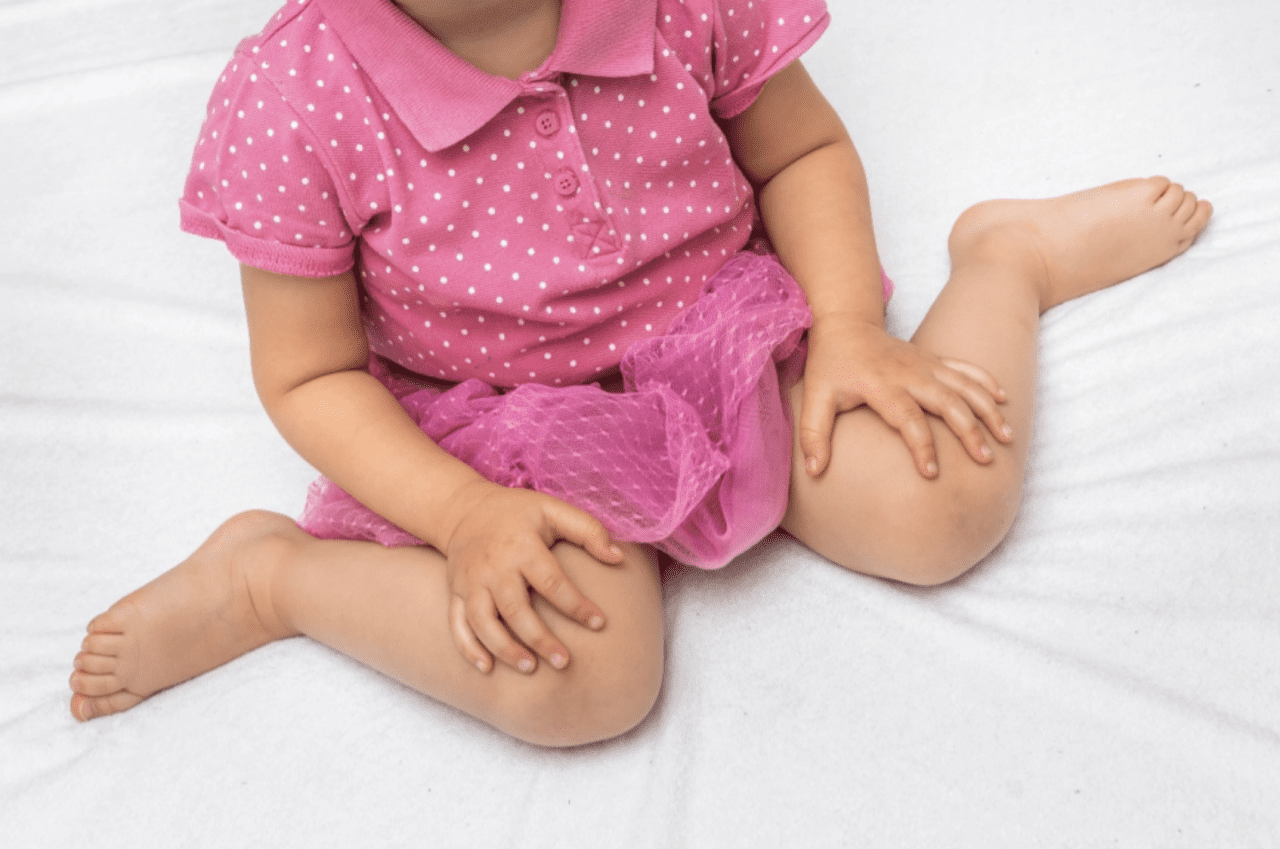
W-sitting is when a child sits on the floor with their knees bent in front of them and their feet positioned out to each side of their body, making their legs look like the shape of the letter “W.” While it may seem comfortable or natural for some children, especially during play, this posture can place stress on the hips, knees, and ankles. Over time, frequent W sitting may lead to poor core strength, reduced trunk rotation, and delayed development of balance and coordination—skills that are essential for sitting upright in a classroom chair, participating in group activities, and engaging in learning.
Helping your child build a strong core and encouraging better sitting habits now can make a big difference in their school readiness!
Gather Materials
No materials needed—just your child and a little observation.
Note: Small parts pose a choking hazard and are not appropriate for children age five or under. Be sure to choose lesson materials that you feel are safe for your child and that you are comfortable letting your child use.
Activity
If you notice your child sitting in a W position during play or rest, gently guide them into a healthier alternative. Here are a few fun and supportive sitting positions that promote core strength and better posture:
- Mermaid Sit: Legs are tucked to one side, resembling a mermaid’s tail. This encourages trunk rotation and balance.
- Criss-Cross Applesauce: Sitting cross-legged is a familiar and supportive posture for floor activities and circle time.
- Butterfly Legs: Feet together with knees bent outward—this position promotes hip flexibility and stability.
- Tall Kneeling: Kneeling upright with hips off the heels helps activate core muscles and improve posture.
- Long Sitting: Legs extended straight in front—ideal for quiet play, reading, or puzzles.
Use gentle reminders and positive language to encourage these alternatives. For example, “Let’s try sitting like a mermaid,” or “Can you show me butterfly legs?” Over time, children will begin to choose these positions naturally, building the strength and habits they’ll need for school.