Neighborhood Bird Songs
Introduction
When children practice listening closely—like trying to tell which bird is singing in the neighborhood—they’re actually building important early learning skills. Careful listening helps them learn to tell sounds apart, which is the same skill they’ll use later when they learn letter sounds, blend words, and follow their teacher’s instructions.
Strong listening skills in the early years support reading readiness and overall school success. When kids can hear the difference between sounds, they develop phonological awareness, a key building block for learning to read and understand language.
Gather Materials
A quiet outdoor space (backyard, park, or neighborhood walk)
Note: Small parts pose a choking hazard and are not appropriate for children age five or under. Be sure to choose lesson materials that you feel are safe for your child and that you are comfortable letting your child use.
Activity
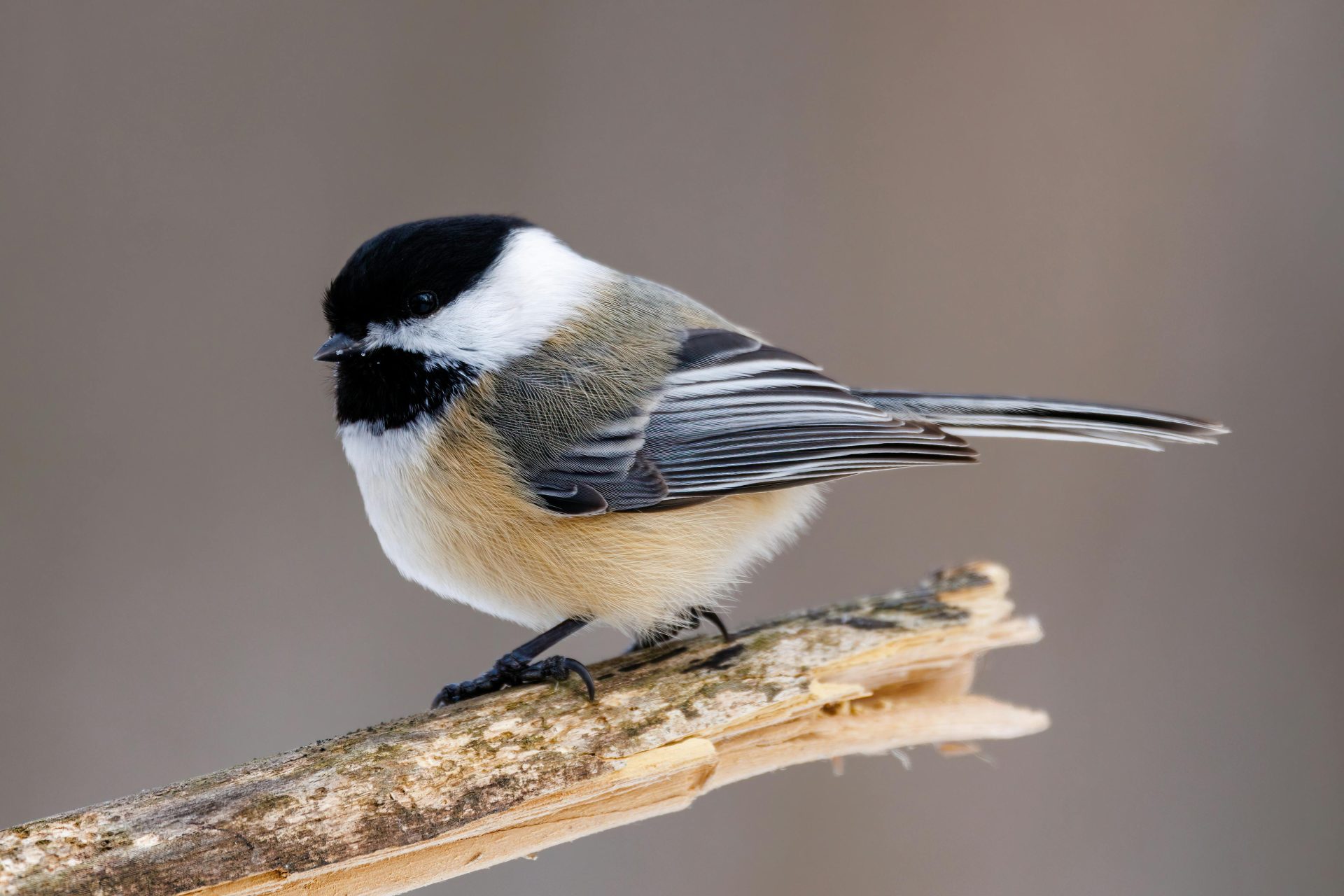
Take your child outside and invite them to sit or stand quietly for a few minutes. Ask them to listen carefully and notice any bird sounds they hear. Encourage them to describe what they notice: Is the sound loud or soft? Fast or slow? Does it repeat? If a bird is visible, point out its size, color, or movement.
By practicing careful listening and noticing sounds, children are developing important skills for school success. Focused listening helps strengthen attention, understanding, and the ability to follow directions. Observing small details supports memory and problem-solving, while talking about their observations builds vocabulary and communication skills. Like young scientists, children learn to observe, gather information, and stay engaged—skills that support learning both in and outside the classroom.
If you’d like to learn more about bird songs and tricks to help identify them, visit our blog, Whoo Is It? on our sister site, Early Science Matters.