Blow Your Nose!
Introduction
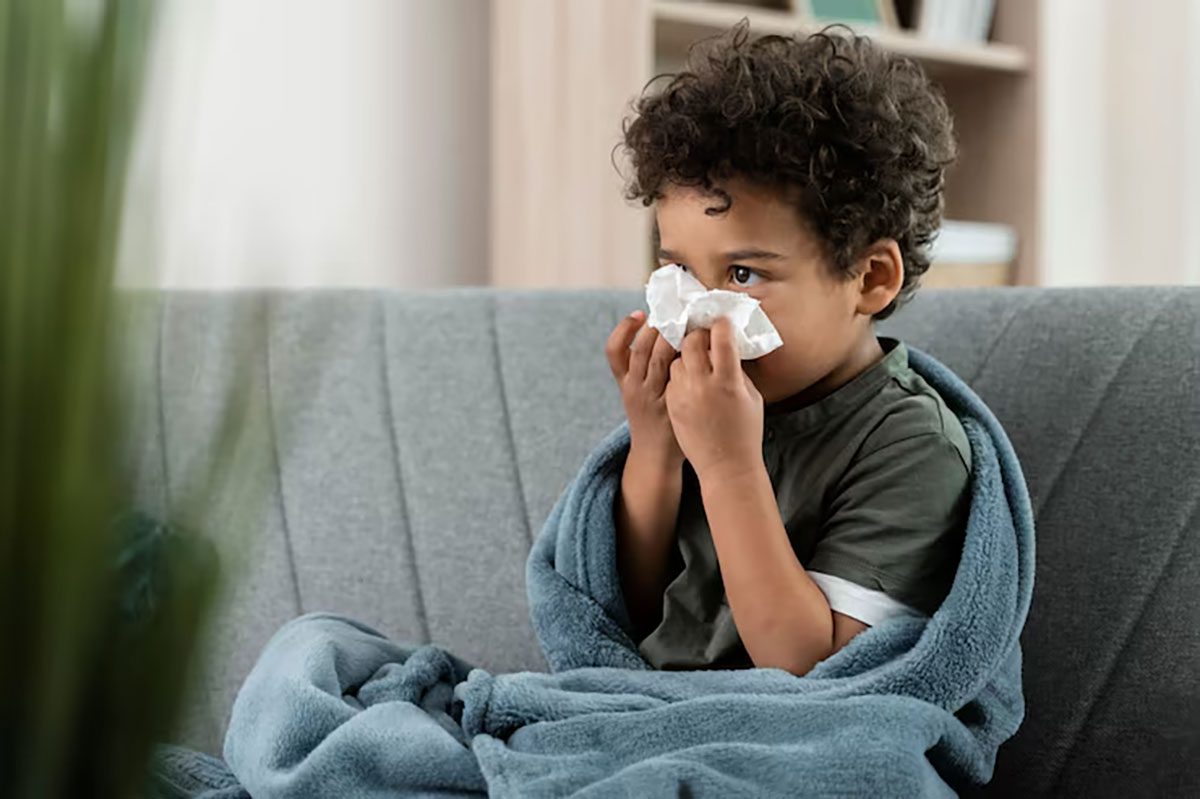
Runny noses are a normal part of childhood. Children may have them because of colds, allergies, or changes in the weather. While blowing a nose may seem like a small skill, it is an important one. When children know how to blow their own nose, they feel more comfortable and confident during the day. They can focus better on playing, learning, and spending time with others.Learning to blow their nose is a self-care skill that helps children stay healthy, feel good about themselves, and be ready for daily routines.
It is best to teach children how to blow their nose when they are healthy, not when their nose is already stuffy. When a child is sick or congested, blowing their nose can feel uncomfortable and frustrating. This can make learning harder and cause children to feel upset or resistant. Practicing nose blowing when a child feels well allows them to focus on learning the steps without discomfort. It also helps them feel more confident and prepared, so when they do have a cold, they already know what to do.
Gather Materials
- Mirror or window (a surface that can fog)
- Bathtub, sink, or pool
- Bubble wand and bubble solution
- Tissues
Note: Small parts pose a choking hazard and are not appropriate for children age five or under. Be sure to choose lesson materials that you feel are safe for your child and that you are comfortable letting your child use.
Activity
Before a child can successfully blow their nose, they need to learn two key skills:
- Pinching one nostril closed
- Pushing air out through their nose (not their mouth)
The activities below break this skill into simple, playful steps that help children practice safely and successfully.
Fog the Mirror or Window
This activity helps children learn how to push air out through their nose while isolating one nostril at a time. Gently remind them to keep their lips closed.
- Have your child pinch one nostril closed.
- Ask them to “blow fog” onto a mirror or window using their nose.
- Watch together as the surface fogs up.
- Switch sides and repeat with the other nostril.
Nose Bubbles in Water
This activity builds awareness of nasal airflow and makes practice fun and silly.
- In a bathtub, sink, or pool, have your child pinch one nostril closed.
- Ask them to gently blow air out through their nose to make bubbles in the water.
- Repeat on the other side.
Blowing Bubbles with a Bubble Wand (Using the Nose)
This activity challenges children to control airflow while keeping their mouth closed.
- Hold a bubble wand in front of your child’s nose.
- Have them pinch one nostril closed.
- Ask them to blow bubbles using only their nose.
- Switch nostrils and try again.
Putting It All Together
Once children can pinch one nostril and push air out through their nose, they are ready to begin practicing with tissues. These activities help build confidence and coordination, making independent nose blowing much easier