Manners Matter!
Introduction
When we think about getting kids ready for school, we often focus on letters, numbers, and writing. But there’s another set of skills that’s just as important—social skills. Teaching children to be polite, kind, and respectful lays the groundwork for social, emotional, and academic success. Manners are more than just saying “please” and “thank you.” They help children learn to listen, follow directions, take turns, and navigate everyday social situations with confidence.
Kids who practice empathy, use polite words, and show respect for others tend to make friends more easily, feel comfortable in group settings, andhandle their emotions in healthy ways. These skills directly affect how children participate in the classroom. They’re able to pay attention better, follow directions, and work well with their friends. When children know how to manage themselves and interact positively with others, they are more confident learners and prepared for the structure of school life.
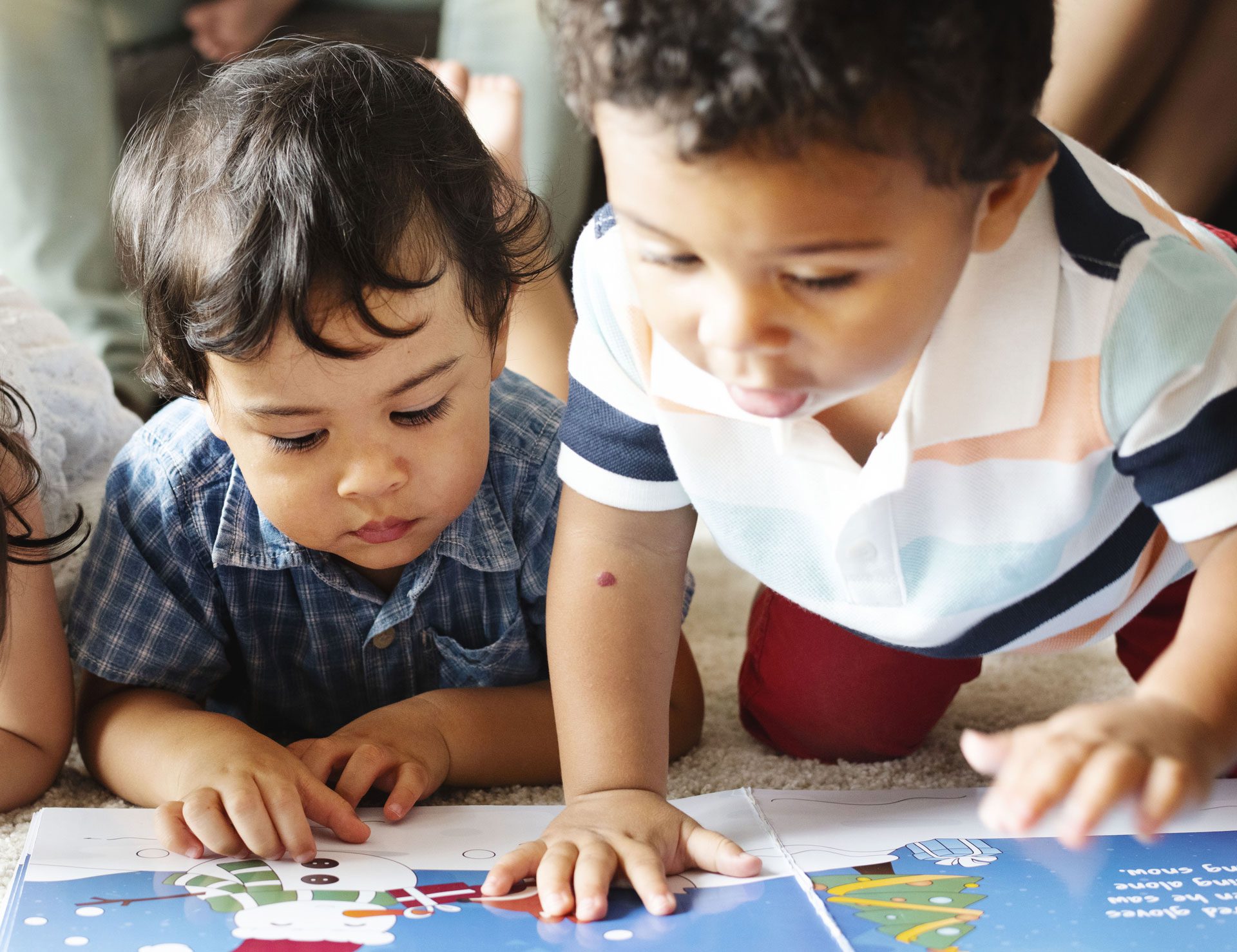
Gather Materials
A few of our favorite books on manners and social skills:
- What Do You Say, Dear? — Sesyle Joslin. This is a classic, funny book that teaches polite responses for everyday situations like “Excuse me!” and “Thank you.” It’s playful, memorable, and perfect for read‑aloud family time.
- My Way to Good Manners — Elizabeth Cole. This book follows a child learning why manners matter. Teaches kindness, respect, and social skills in a way preschoolers enjoy.
- How Do Dinosaurs Say Please? (and other How Do Dinosaur books) — Jane Yolen & Mark Teague. Kids love the silliness of dinosaurs, and these books use that to show good manners (and not‑so‑good manners) in a fun way.
Note: Small parts pose a choking hazard and are not appropriate for children age five or under. Be sure to choose lesson materials that you feel are safe for your child and that you are comfortable letting your child use.
Activity
Here’s an easy way to practice manners at home every day:
- Pick a Daily Routine: Mealtime, snack time, cleaning up toys, or bedtime work perfectly.
- Set the Manners Goal: Focus on one thing at a time, like “say please when asking for something” or “thank someone when they help you.”
- Play Manners Detective: Everyone in the family watches and listens for polite words and kind actions. When someone uses a good manners moment, give lots of praise!
- Add a Challenge: Encourage kids to remember “excuse me” when interrupting, wait patiently for their turn, or offer help without being asked.
- Celebrate Success: At the end of the day, talk about all the ways your child showed kindness and politeness. Make it fun—laugh about mistakes and cheer for successes.