Little Bites, Big Brain
Introduction
Life is busy, kids are picky, and sometimes getting kids to eat anything green feels like a full-time job. Just like a car needs the right fuel to run well, growing brains and bodies need the right mix of vitamins, minerals, and proteins to run their best. Keeping kids fueled up throughout the day gives children just what they need to stay focused, remember things, solve problems, and feel energized for learning and play.
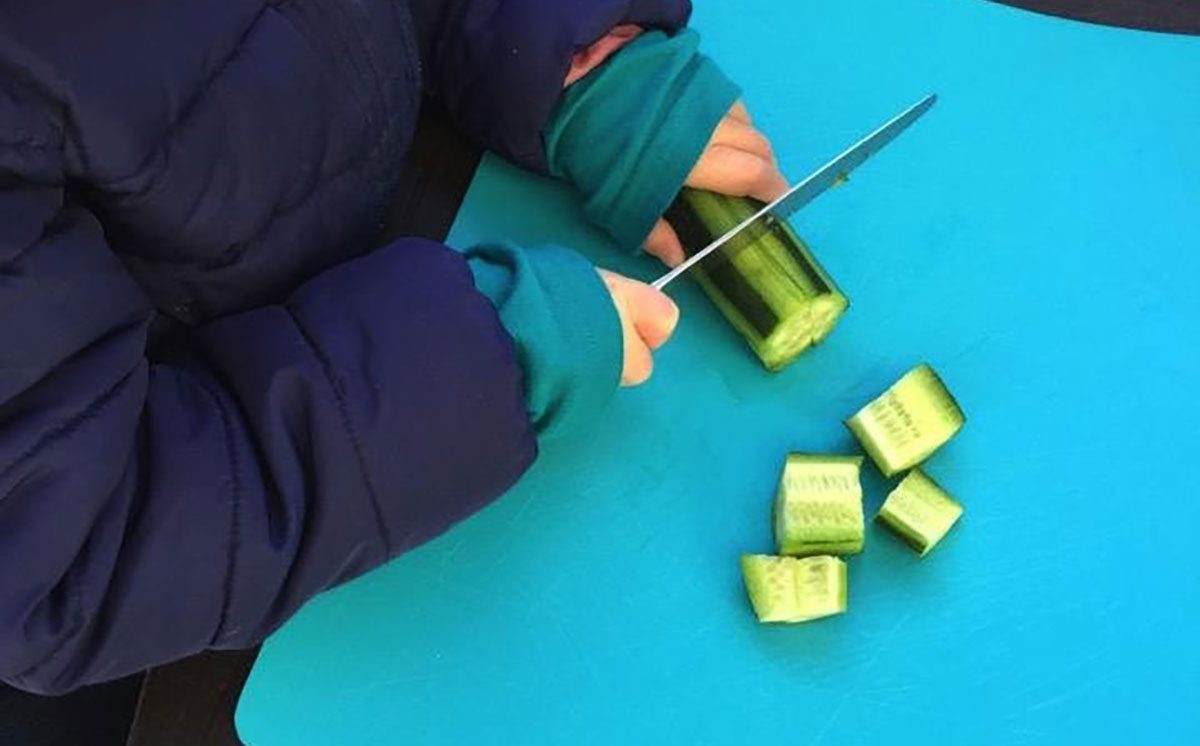
Having your child help prep snacks is actually a great school-readiness activity. Simple food prep builds fine motor skills, hand strength, and coordination—the same skills they’ll use for writing, cutting with scissors, and managing life in the classroom. Your child can help wash fruits and vegetables, peel bananas or hard-boiled eggs, cut soft foods with a child-safe knife, mix dips, spread yogurt or nut butter, and even help sort or count snacks. It doesn’t have to be fancy. A few minutes of helping while you’re already in the kitchen goes a long way.
If you are trying to get your child to eat more vegetables, here are some tips. While you are preparing your meal, put a bowl of carrots, celery, peppers, or cucumbers on the table with a bowl of dip. Dip is the magic. Yes, be prepared for more dip than vegetables in the beginning. It gets better, I promise. Make it a habit, everyday the first thing on the table is a bowl of vegetables or cut up apples, strawberries, any fruit. If you have a hungry child that needs your attention and food...this could be the perfect combination.
Gather Materials
Use what you have, safe knives, vegetable peelers and DIP!
Note: Small parts pose a choking hazard and are not appropriate for children age five or under. Be sure to choose lesson materials that you feel are safe for your child and that you are comfortable letting your child use.
Activity
These simple hands-on kitchen tasks strengthen their fingers, hands, and coordination—skills they’ll need for writing, cutting, gluing and coloring. Here are some easy ways to match the food with the skill:
- Peeling for finger strength and coordination
Peeling bananas, clementines, or hard-boiled eggs is great practice for using fingertips and coordinating both hands. These small movements build the same muscles your child will use to hold pencils and crayons. - Spreading for hand control and pressure awareness
Spreading nut butter, cream cheese, yogurt, or hummus onto toast, crackers, or apple slices helps your child learn how much pressure to use and how to control their hand movements. This directly supports early writing skills. - Mixing dips for wrist movement and strength
Let your child stir yogurt dips, guacamole, or hummus with a spoon. Mixing strengthens wrists and forearms and helps your child practice staying with a task for a few minutes at a time. - Cutting soft foods build hand and-eye coordination
With supervision and a child-safe knife, kids can cut bananas, strawberries, cheese, or cooked vegetables. This builds coordination and confidence using tools which are important skills for school life. - Sorting and counting builds early math skills
Have kids sort grapes, count carrot sticks, or make simple snack “patterns” on a plate. This adds early math and problem-solving to snack time without extra work.
When kids help prepare their own snacks, they’re more willing to try new foods. Food feels more familiar when they’ve helped to prepare it. These small, everyday moments in the kitchen support independence, confidence, and school readiness.
It also helps to introduce these healthy snacks before your child heads to the school cafeteria. A little exposure to fruits, veggies, protein, and whole grains makes the choices in the cafeteria feel easy and familiar—so they’re not reaching for the sugary snacks or fried options.
If you'd like to read more about Snacking Through The Math Standards check out our blog on Early Math Counts!