The Magic of Child-Led Play
When children are allowed to take the lead in their play, they are not just goofing around or making noise. They are engaged in some of the deepest, most meaningful learning experiences of childhood.
These experiences may not always look like learning in the traditional sense. That’s because real learning at this age often looks like movement, imagination, repetition, and curiosity unfolding in real time.
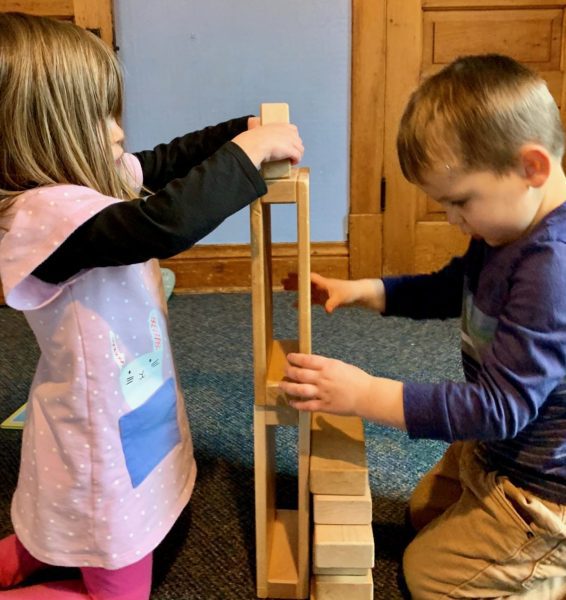
Child-led play simply means that children get to decide what they play, how they play, and how long they stick with that play.
While child-led play can sometimes be “energetic,” it is not chaotic or out of control. It is often quiet, thoughtful, and marked by deep concentration as children work through ideas that matter to them. The magic is in the process. When children lead their own play, they are constantly making decisions, solving problems, testing ideas, and learning how to manage their emotions.
Child-led play does not mean that children get to choose unlimited screen time or play a game on a screen. Child-led play is about hands-on, open-ended experiences that invite thinking, movement, creativity, and interaction with the real world.
Scrolling, tapping, or watching a screen is very different from building, pretending, creating, and exploring. As adults, we must set boundaries around screen use while protecting time and space for meaningful play.
One of the greatest gifts of child-led play is independence. When children are trusted to make choices, they begin to believe in themselves. They start to see themselves as smart, creative, and confident.
When a child builds a block tower that keeps falling over, that child is experimenting and, in the process, learning about balance, gravity, patience, and persistence. Each attempt, even when it ends in yet another block tower collapse, yields new information. This process builds confidence in powerful ways—and readies a child for school, new adventures, and new friendships.

Children are naturally curious, but that curiosity is strongest when they are free to follow what interests them. One child may spend days pretending to run a restaurant—taking orders, cooking meals, and serving customers. Another child might be completely absorbed in a search for bugs in the backyard—and, in the process, learning how insects move and where they hide.
These interests are clues. They show us what children are trying to understand about the world they inhabit. Through play, children explore social roles, relationships, cause and effect, and how things work. Because this learning connects directly to their interests, it stays with them.
Parents often ask what child-led play is supposed to look like. The honest answer is that it doesn’t always look tidy or calm. It can be messy, noisy, and unfinished. It might involve dumping out all of the blocks, lining up toys in a very specific order, or changing the rules halfway through a game.
It can also look repetitive. Children often return to the same play themes again and again, making small changes each time as their understanding grows. To adults, it might seem as if “they already did this,” but repetition is how children deepen their learning. What looks like simple play is actually brain development and emotional growth.
Supporting child-led play at home doesn’t have to be complicated. In fact, simple materials are usually the best materials. Blocks, art supplies, dress-up clothes, and cardboard boxes—as well as loose items such as buttons, scarves, or sticks—invite imagination. These materials don’t tell children what to do. Instead, they leave room for a child's own ideas to blossom.
Your role is to provide the space and materials—and then step back. Let your child decide how to use the materials, even if it’s not the way that you expected.
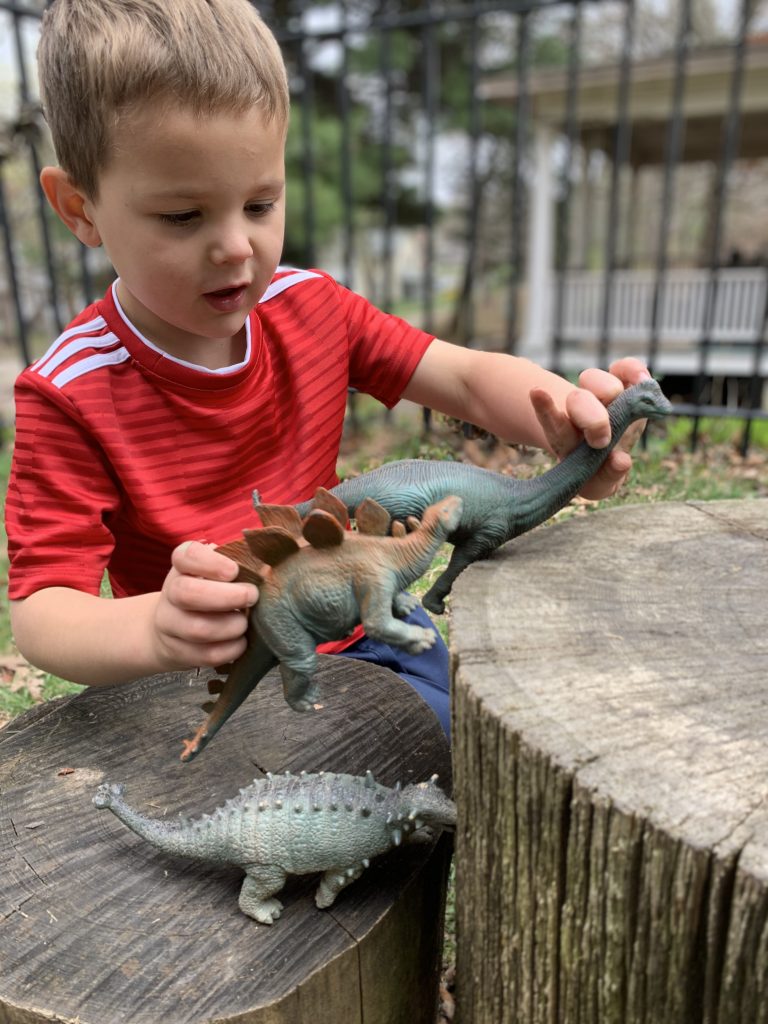
Time is another key ingredient. Child-led play needs uninterrupted time to take shape. When play is constantly rushed or stopped, children don’t get the chance to think deeply, solve problems, or fully engage. Whenever possible, allow long stretches of play without the pressure to clean up right away or move on to the next activity.
Research and classroom observations consistently show that children who engage in rich, child-led play develop strong language skills, social awareness, and problem-solving abilities. These skills are the foundation for future academic learning. A child who can focus, communicate ideas, work through frustration, and keep trying is well-prepared for school and beyond.
The most powerful thing you can do to support child-led play is to trust your child. Trust that learning is happening, even when it doesn’t look like traditional learning. Trust that boredom can spark creativity. Trust that play has purpose, even when the purpose isn’t immediately clear.
When we allow children to take the lead, we give them more than a fun way to pass the time. We give them ownership of their learning, confidence in their abilities, and the freedom to follow their curiosity and learn at their own pace.