Balance Builds Better Learners
Introduction
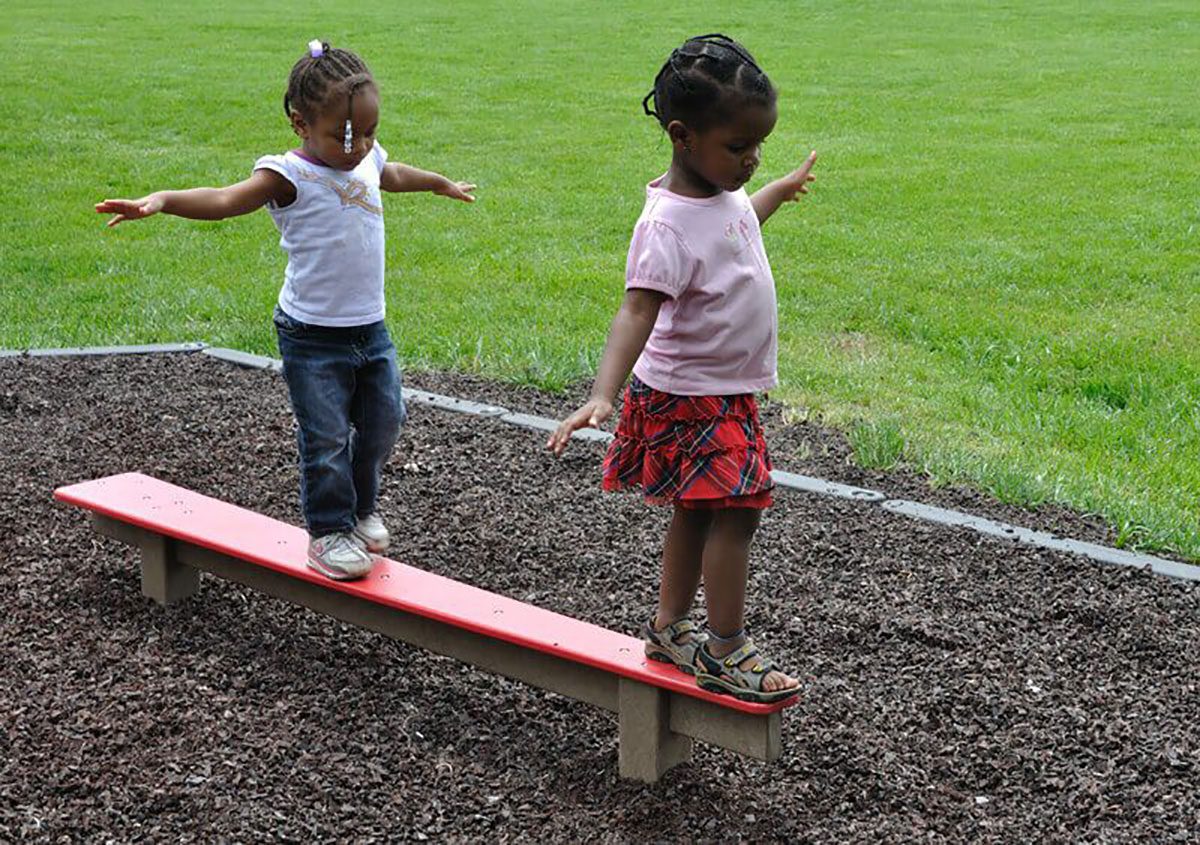
Good balance really matters when kids are getting ready for school, even if it doesn’t look like “schoolwork.” When children have good balance, their bodies know how to stay steady, and that makes everything else easier. They can sit still longer, pay attention, and move around the classroom without crashing into things. Balance helps their heads stay steady for reading, their eyes track words on a page, and their bodies stay strong enough to handle a full school day. When their bodies aren’t working so hard just to stay upright, their brains are free to focus on learning and making new with friends.
Balance also plays a big role in focus. When kids practice balance, they’re learning how to concentrate and stay with a task, which is the same skill they use when listening to a story or following directions. It helps their eyes work together too. A strong balance system keeps eye movements steady, so kids can read across a page or copy from the board without getting tired or dizzy. Balance also supports understanding space, like knowing right from left and up from down, which is important for forming letters and spacing words when they write. The best part is that better balance makes learning feel easier, with less frustration and more confidence at school.
Gather Materials
- Masking tape or painter’s tape
- Pillows or couch cushions
- A small ball
- Beanbag or small soft toy
- Music (phone or radio)
- Open floor space
Note: Small parts pose a choking hazard and are not appropriate for children age five or under. Be sure to choose lesson materials that you feel are safe for your child and that you are comfortable letting your child use.
Activity
- Start with simple balance games that help children learn how to hold their bodies still. Try standing on one foot and counting together, then switch feet. Pretend to be flamingos by lifting one leg and spreading arms wide. You can also place a beanbag or small toy on your child’s head and have them walk slowly across the room. Playing freeze dance is another favorite—dance when the music is on and freeze when it stops. These games help kids practice listening, focus, and body control.
- Next, move into balance while moving. Make a straight line on the floor with tape and have your child walk heel-to-toe like they’re on a tightrope. Animal walks are always a hit—try walking like a bear, crab, frog, or seal. Play hopscotch by jumping on one foot and then two feet. Set up a simple obstacle course by crawling under chairs, stepping over pillows, or walking around boxes. Rolling on the floor like a “sausage” is also great for body awareness and strength.
- You can also build balance by strengthening the body and improving coordination. Play with a ball by kicking, throwing, catching, or rolling it back and forth. Try jumping rope or jumping in place to a rhythm. Use fun movement like hula hooping, stretching up to the sky, touching the ground, or simple yoga poses. Crossing arms in front of the body like scissors helps the brain and body work together and supports early learning skills.
- Finally, use imagination to make balance extra fun. Pretend the floor is lava and jump from pillow to pillow. Walk across a pillow or tape line and imagine it’s a bridge over a river full of crocodiles. Play statue games where children hold a pose while others gently try to make them laugh or wiggle. These playful moments build confidence, strength, and self-control.
If you would like to read more about the benefits of obstacle courses for school readiness, check out Lessons From An Obstacle Course.