Small Hands, Small Crayons
Introduction
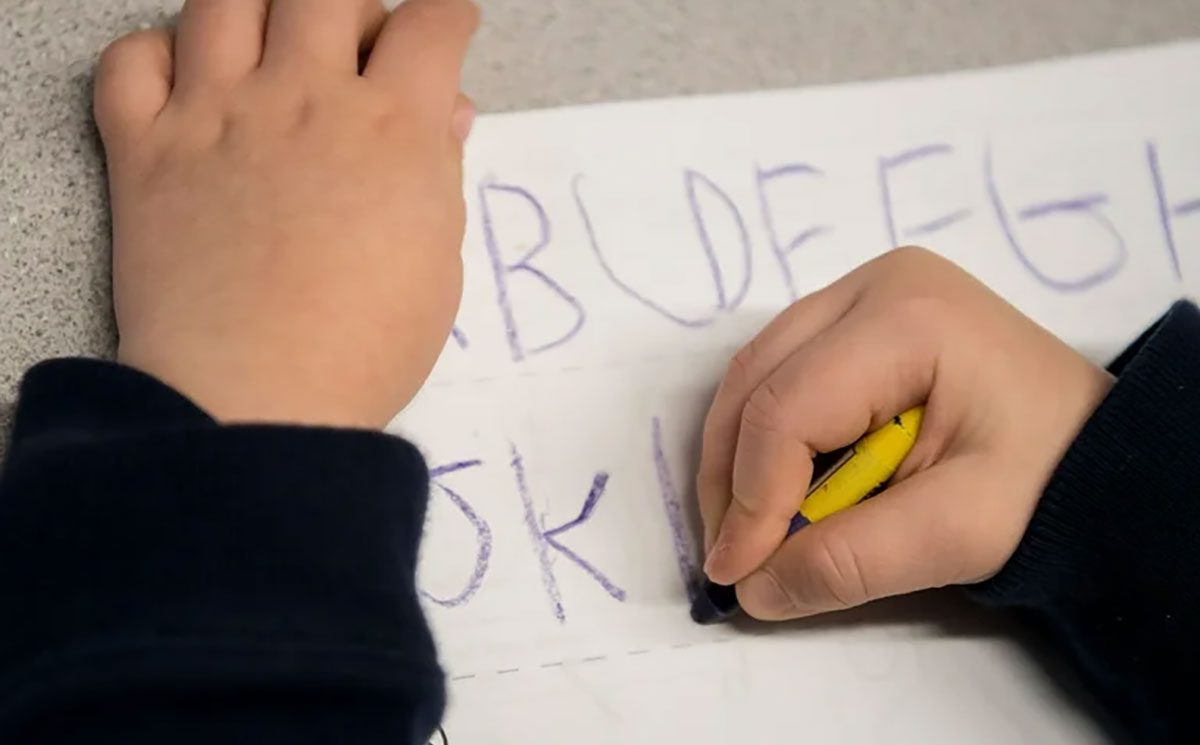
Embrace those broken crayons you find at the bottom of the toy box They’re magic. Little hands actually do better with little tools, and those small crayon pieces or short golf pencils make it easier for kids to use the finger grip they’ll need when they start writing in the future. Those crayons aren't “too small.” Think of them as perfectly sized for early learners. When children scribble, draw lines, or make little marks with these small crayons, they’re building hand strength, finger control, and confidence. And the best part is that it all happens through play.
When writing tools are too long or too big, children may grip them too tightly or hold them the wrong way. Small crayons and golf pencils naturally encourage a tripod grasp, which is the most efficient grip for writing. They help build the muscle control needed for drawing, coloring, and eventually forming letters.
Early childhood research shows that children strengthen the small muscles in their hands through play—scribbling, squeezing, stacking, and manipulating small objects. These skills develop long before formal writing. If your child isn’t interested in writing yet, that’s okay. Truly. Children develop at their own pace, and forcing writing too early can make it feel like a chore.
Gather Materials
- Small or broken crayons
- Golf pencils or other short pencils
- Small pieces of sidewalk chalk
- Short dry‑erase markers
- Paper
Note: Small parts pose a choking hazard and are not appropriate for children age five or under. Be sure to choose lesson materials that you feel are safe for your child and that you are comfortable letting your child use.
Activity
Set up an inviting space. Place a few small writing tools in a basket or tray. Add paper or a fun surface like a cardboard box, a paper bag, or a chalkboard. Keep it simple! Children are more likely to explore when things feel open to their choices. Your child may:
- Scribble
- Make dots
- Draw circles or lines
- Pretend to write
- Color a picture
Offer the opportunity, keep it light, and trust that your child will engage when they’re ready. Follow your child's lead. The time will come when the brain is ready! You can't rush it. It won't work. The time will come when your child is ready. In the meantime, check out Hands At Work for more ideas that will work those hand muscles.