Talking Math!
Introduction
Math might sound complicated, but it’s really just another way we use language to make sense of the world. When we say words like big, tiny, full, or behind, we’re already using math talk—just like when we count five apples, talk about three days, or say something weighs a ton. Learning math starts when we talk about with numbers, shapes, patterns, and comparisons in everyday life. Long before kids can count, they’re soaking up math ideas just by being curious—like noticing that one apple is bigger than another, spotting a repeating designs on a tile floor, or realizing that an orange and a tortilla are both round, just in different ways.
Gather Materials
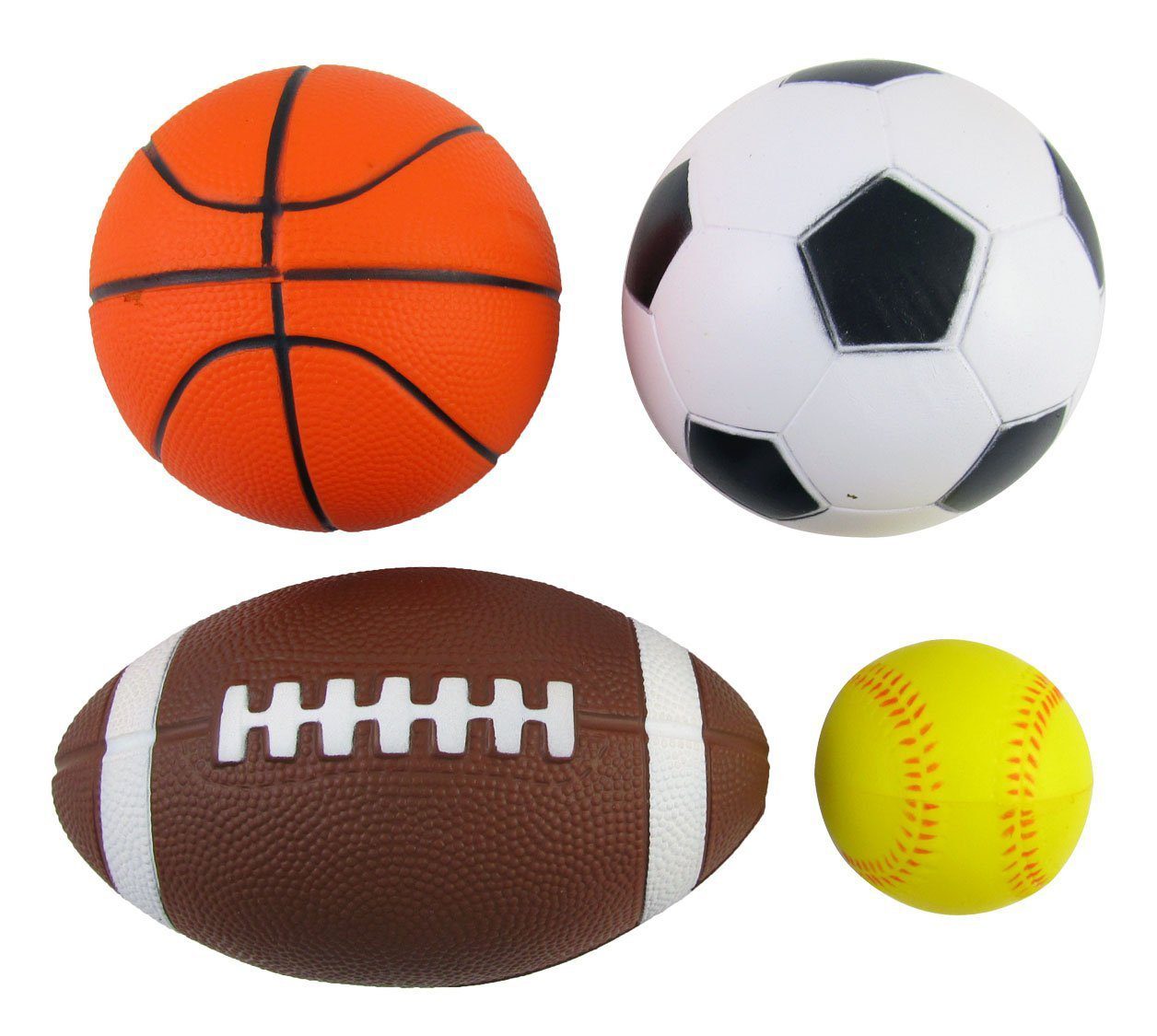
Everyday materials that within your reach!
Note: Small parts pose a choking hazard and are not appropriate for children age five or under. Be sure to choose lesson materials that you feel are safe for your child and that you are comfortable letting your child use.
Activity
The “What’s Next?” Pattern Game Patterns & Sequencing
- Make a simple pattern with toys, snacks, or movements and ask your child to continue it.
- Example: red-blue-red-blue, or clap-stomp-clap-stomp.
Math Talk: “You found the pattern!” “That repeats again and again!”
Kitchen Clean-Up Challenge Measurement & Spatial Awareness
- Compare and sort items as you clean up or cook.
- Example: “Which spoon is longer?” “Put the small bowl inside the big one.”
Math Talk: “Taller,” “shorter,” “under,” “above,” “heavier,” “lighter.”
Counting Steps Counting & Quantity
- Count everything—steps, buttons, toys, bites, or cars on a walk.
- Talk about “empty,” “half-full,” and “full.”
Math Talk: “Let’s count together!” “How many do we have now?”
You can start by slipping math talk into your regular routines, whether you’re playing inside, going for a walk, or getting ready for bed. Here are a few types of words to try out:
Quantities: more, less, equal, empty, full, half; counting snacks, books, or steps.
Patterns: repeating, alternating, in a row, rhythm; sorting blocks or matching socks.
Size and Measurements: fast, slow, tall, short, long, heavy, light, comparing things as you walk or drive.
Positional words: over, under, between, above, below, next to, far, near; talking about where shoes go, where the cat is hiding, or where cereal is stored.
The more you mix these words into your day, the more naturally your child will start to understand and use them. Math doesn’t have to be a lesson—it can simply be part of your everyday conversations.
The more your child hears these kinds of words in real-life moments, the more naturally they’ll start to understand math ideas. It doesn’t need to be a “math activity”—just part of the fun and conversation that happens every day. If you'd like more early math ideas and activities, be sure to check out our Early Math Counts webpages!