From Blue Light to Moonlight

Are you tired of the nightly "battle of the screens"? If you're ready to put an end to the whining, negotiating, and tantrums that your child resorts to every evening when it's time to turn off the tablet or TV, then this post is for you.
Many parents would love to reduce screen time before bedtime. We know that blue light from devices can wreak havoc with a child's sleep cycle, making it harder for little ones to fall asleep and stay asleep.
We also know from painful experience that taking screen time away without a replacement activity is a surefire recipe for an evening meltdown. But if you replace that screen time with a soothing, engaging activity that helps your child transition out of the day, everybody wins.
A simple nighttime walk or scavenger hunt gives young children exactly what their growing bodies and brains need as the day comes to a close—without the stimulation of a screen. There’s something about being outside after dark that makes everything feel like an adventure!
Here’s the best part: your child gets to move. Preschoolers aren't wired to calm down while sitting still. But walking, pausing to look at a shadow, or listening for a cricket? That’s movement with purpose. It burns off the last of the day's energy and soothes your child's overstimulated nervous system.
This is especially helpful for young children, who are still learning how to transition from a busy day of play and exploration to a peaceful night of rest and repair. A twilight stroll is the perfect bridge between daytime chaos and bedtime peace!
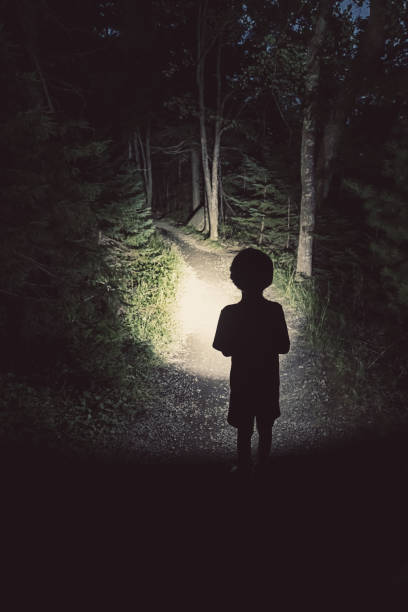
Before heading out, dim the lights inside your home to create a calm vibe upon your return. Then step outside and help your child tune into the sounds of the night. Ask: “Do you hear that? The trees sound like they’re whispering.”
Or say, “Look at your shadow; it’s so long at night.” These observations will keep your child moving, noticing, and settling down—all at the same time.
Venturing outside after sundown will naturally signal your child's brain to slow down. The dimmer light, cooler air, and steady movement will act as a gentle transition cue, signaling that the day is coming to an end, triggering melatonin production, and preparing your child's body for sleep.
Think of your child’s circadian rhythms as an internal clock that lets the body know when it's time to be awake, alert, and active—and when it’s time to wind down and get ready for sleep. This clock is affected by factors such as light or darkness, so when it gets dark outside, the body begins to prepare for rest and repair.
This is why dimming the lights, going outside at night, and getting away from screens, which signal your child's brain to "stay awake," can really help. When you replace overstimulating screen time with a screen-free evening stroll, you're helping to reset your child's internal clock by signaling that the day is nearly over and it's time to slow down and prepare for sleep.
Nighttime strolls are also wonderful for brain development. Pointing things out, listening for sounds, and noticing details build attention, language, and observation skills. Best of all, these activities don't even feel like learning because your little one is practicing skills like curiosity and focus while in a relaxed state of mind.
Here's more good news: Your nighttime adventures foster a sense of connection. You’re walking together, talking quietly, sharing discoveries, and being present without distractions. That sense of safety and closeness helps your child feel emotionally settled, which makes the bedtime transition more peaceful after you head back inside.
By the time your evening stroll is over, the movement has worked its magic, and your child's brain and body are ready for rest.
Pajama time, story time, and lights-out time tend to flow more naturally when the transition to bedtime starts with calm movement, fresh air, and time together—without a screen in sight.
Tips for a successful evening stroll:
- Get "bedtime ready" before you go: Swap your child's daytime clothes for pajamas and a jacket before you head out. Or just lay the pajamas out on the bed along with a peaceful book. When you get back, your child will be one step closer to crawling under the covers.
- Keep the stroll short: Even a 10-minute loop around the block can be enough to reset the mood. The goal isn't distance—it’s discovery!
- Use "low-light" tools: To dispel any anxiety about walking in the dark and foster a feeling of control, give your child a small flashlight or a glow stick to "light the way."
- Go on a sound hunt: Challenge your child to notice three things that can be heard but not seen, such as an owl's hoot, the hum of a distant car engine, or the wind in the trees.
- Head straight to bed: When you get home, head to the bathroom and then make a beeline for your child's bedroom for snuggles and story time.
Explore this night walk activity for more ideas >