Playgrounds Are The Key to Academic Success
To stay focused, children need strong muscles and good balance. The best way to build those skills isn’t at a desk—it’s outside, on the playground!
Pediatric occupational therapist Angela Hanscom, author of Balanced and Barefoot: How Unrestricted Outdoor Play Makes for Strong, Confident, and Capable Children, calls nature “the ultimate sensory experience.” She reminds parents that outdoor play isn’t just fun—it’s necessary for healthy development. Children’s brains and bodies grow best when they move, climb, swing, and explore. Her book, Balanced and Barefoot, is a must-read for parents who want to nurture stronger, more confident, and capable kids through the power of play. It’s available through most libraries—including on Hoopla and Libby—and even comes in an audiobook version, perfect for busy parents on the go!
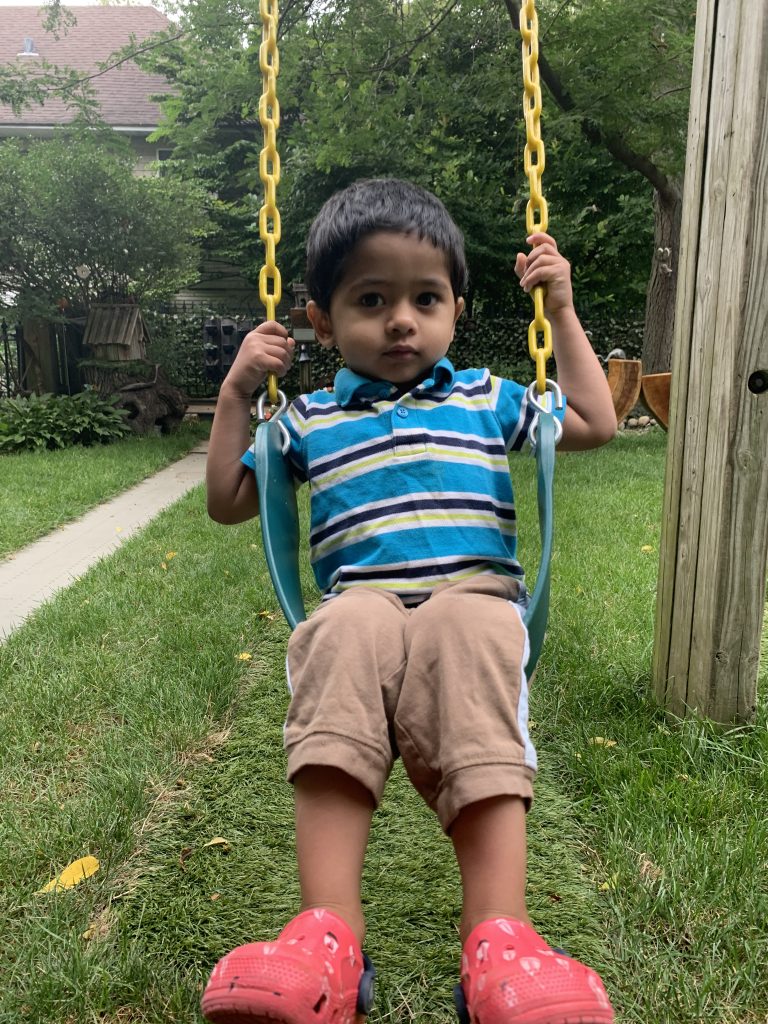
Playgrounds are like mini gyms for children. When kids swing, climb, jump, and run, they’re not only playing—they’re training their brains and bodies to work together. These movements help them sit still, pay attention, and feel calm at school.
Outdoor play strengthens two very important body systems: proprioception and the vestibular system. These systems help children feel comfortable and confident in their bodies—skills that are key for learning.
The vestibular system is our sense of balance and movement. It lives inside the inner ear and helps the brain understand how the body moves—spinning, swinging, or standing still. When children swing, roll, or hang upside down, they are developing this sense. The vestibular system helps kids stay balanced, control their eyes while reading, and feel comfortable sitting still.
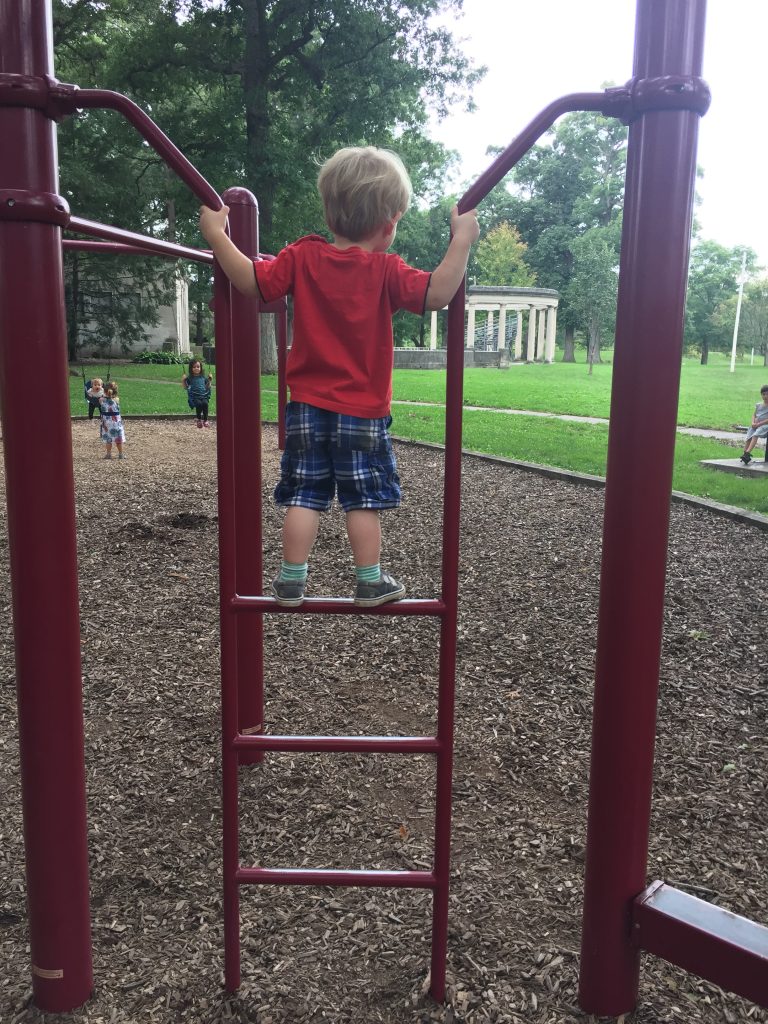
Proprioception is sometimes called our “body sense.” It tells the brain where our arms, legs, and body parts are, even when we can’t see them. When children push, pull, climb, dig, or carry heavy things, they’re feeding their proprioceptive system. This helps them know how much force to use—like how hard to push a door or how tightly to hold a pencil. Proprioceptive play also helps kids feel calm and focused. On the playground, your child can build this sense by climbing ladders, pushing a friend on the swing, or carrying buckets of sand. At home, they can push laundry baskets, scrub tables, or even help carry groceries.
The vestibular system is our sense of balance and movement. It lives inside the inner ear and helps the brain understand how the body moves—spinning, swinging, or standing still. When children swing, roll, or hang upside down, they are developing this sense. The vestibular system helps kids stay balanced, control their eyes while reading, and feel comfortable sitting still.
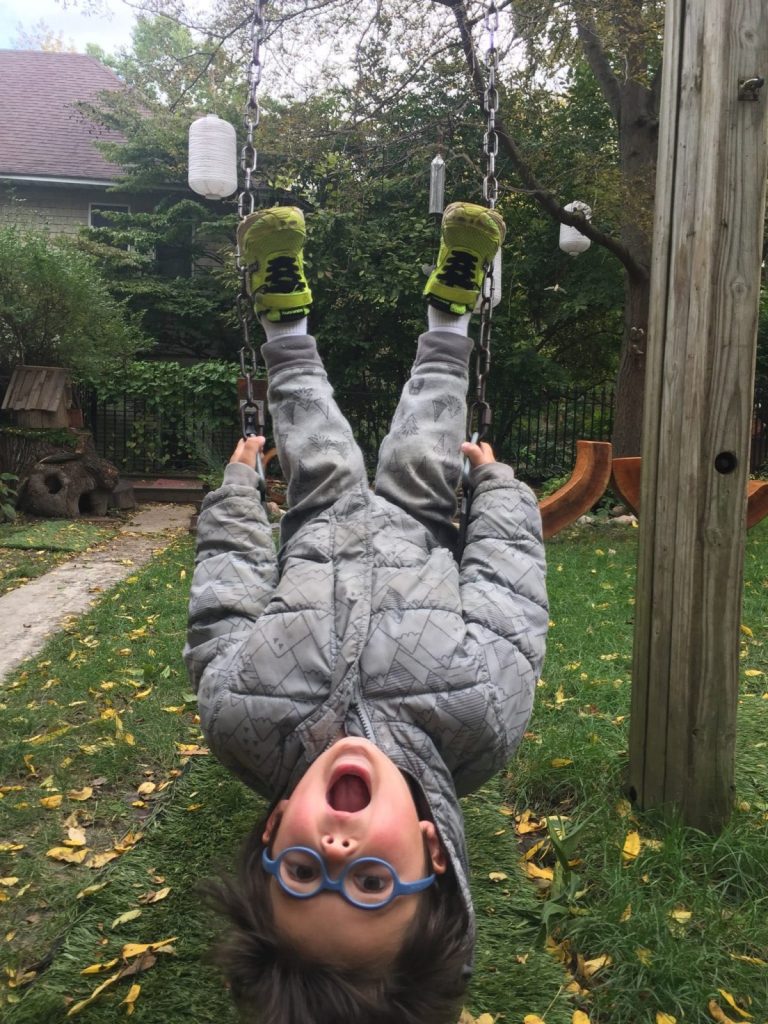
Swinging is one of the best ways to build the vestibular system. As children move back and forth, their brains learn about direction, speed, and balance. Swinging can also calm and focus their bodies. Climbing and hanging from bars build strong core muscles in the stomach, back, and shoulders—muscles that help children sit up straight and focus in the classroom.
Jumping, running, and skipping give the body both proprioceptive and vestibular input. Each time children land from a jump or change direction while running, their brains get valuable information about movement and control. These big-body movements help them know where their body is in space, which supports writing, cutting, and standing still in line.
Jumping, running, and skipping give the body both proprioceptive and vestibular input. Each time children land from a jump or change direction while running, their brains get valuable information about movement and control. These big-body movements help them know where their body is in space, which supports writing, cutting, and standing still in line.
Outdoor play also builds the small muscles in the hands and wrists that children need for writing and drawing. Digging, throwing balls, gripping swings, and holding onto monkey bars all strengthen the hands.
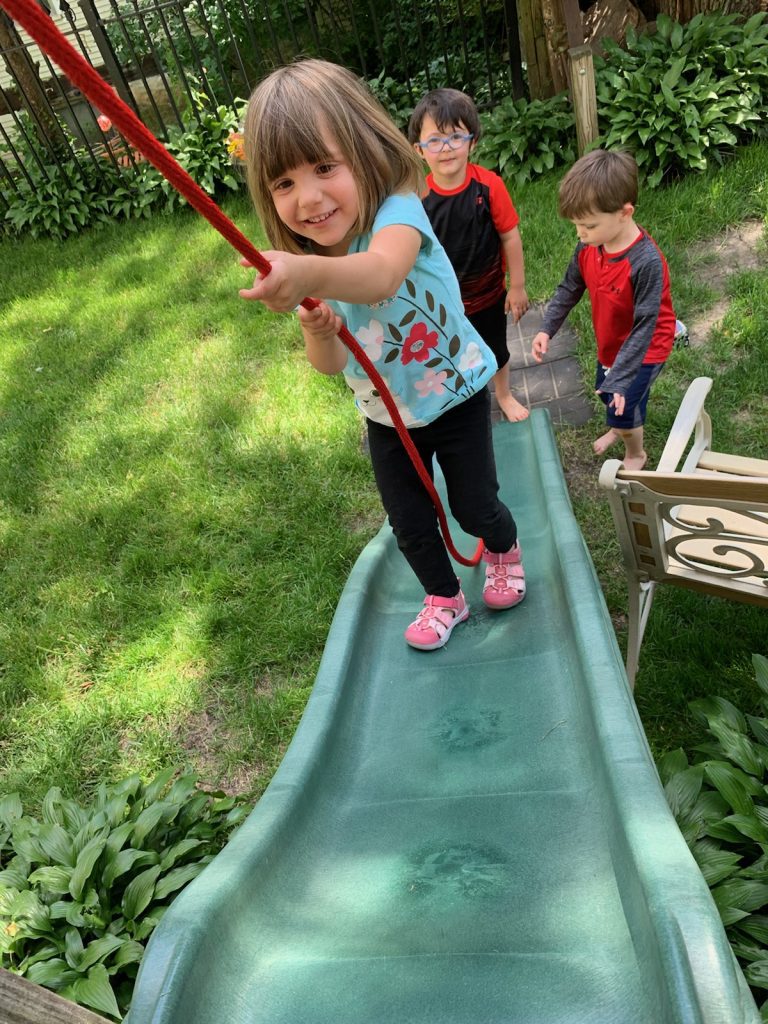
Nature itself is calming. The feeling of wind, the smell of grass, and the sound of birds give the brain healthy sensory input. When children spend time outside, they often have fewer meltdowns and can focus better at home and in school.
When your child climbs, swings, digs, and plays, they’re building strong bodies, calm minds, and ready-to-learn brains. Outdoor play helps children move with confidence and focus in class. So head outside together, explore, and play! Each climb, swing, and jump helps your child grow strong, happy, and ready for school.