Easy Numbers With A Deck of Cards
A fun way to get your child school ready is by playing simple, hands-on games that build early math confidence. Card games like Card games such as War or Go Fish can help children visualize math concepts through play—and offer a great alternatives to screen time.
Does your early family know how to play Garbage, a fun a card game that helps young children—especially preschoolers and kindergartners strengthen their early math skills?
I love this card game because Garbage connects beautifully with the ten frame activity I shared back in January 2026.
So let's get a game of Garbage started!
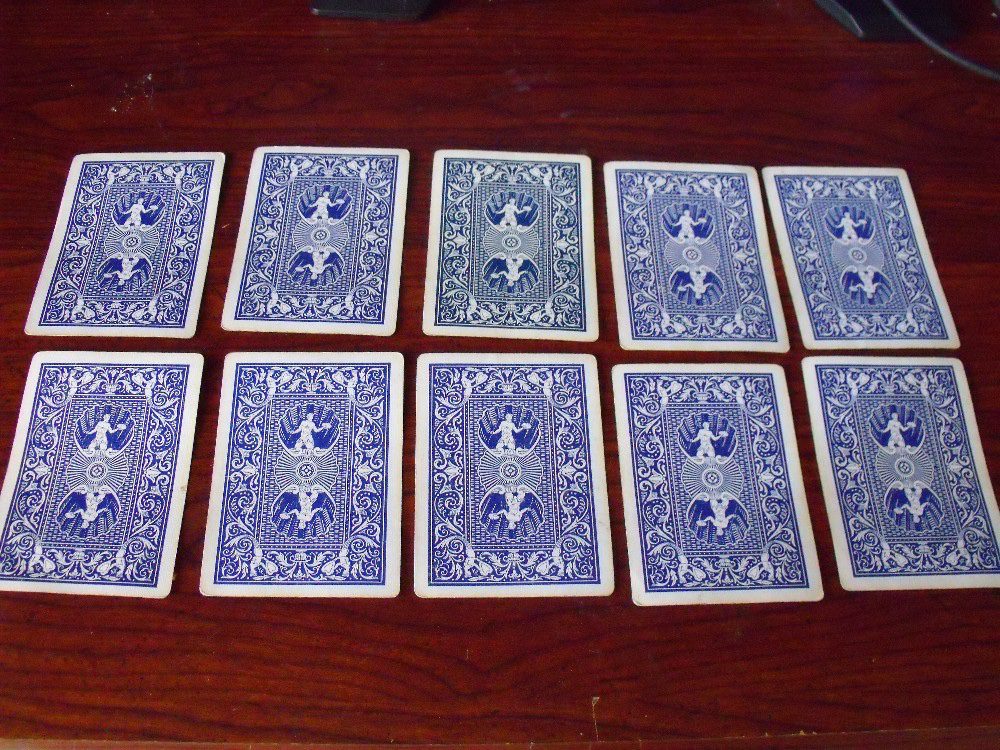
A game of Garbage usually involves two players and a standard deck of cards with the jokers removed. For our youngest learners, we also remove the face cards (kings, queens, and jacks) Each player is dealt 10 cards. The cards are placed face down in front of each child in two rows of five. The rest of the cards are placed in the center of the table as a draw pile.
Ask Player #1 to draw a card from the draw pile and look at it. Let’s say it is a FIVE. Player #1 will count to her fifth card, remove it, and replace it with the five card, face up in its location. Then Player #1 will look at her new card and determine where she can play that card.
If Player #1 draws a number card that has already been played, Player #1's turn is over—and Player #2 takes a card from the draw pile. The first player to complete an entire set of 10 cards is the winner.
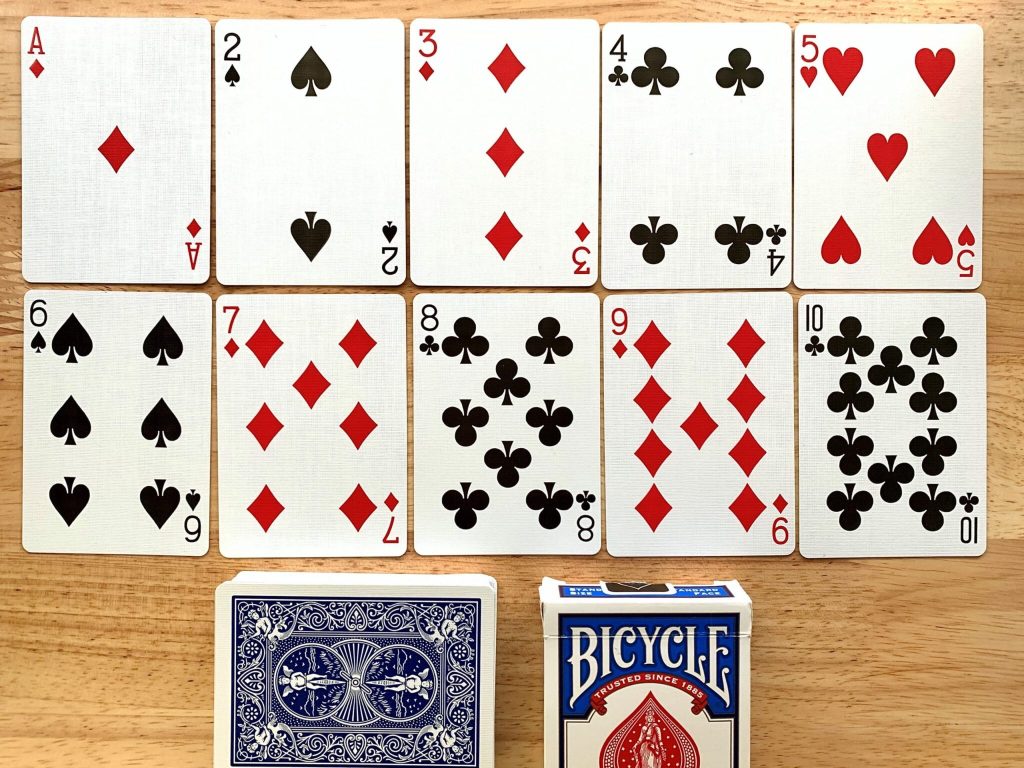
When four-year-old, Maleah plays this game, she carefully counts each one one as she touches the card. For example, when she draws a five, she’ll count “one, two, three, four, five”—before placing her five card down. as she finds the fifth pile.
Six-year-old Jamanjae is already more confident with numbers. He quickly spots where the seven belongs and places his card there. Children learn math at their own pace by using many different skill sets that don’t always develop at the same pace or in the same order. So we give them a lot of options that allow them to learn in their own unique ways. By keeping it playful and hands-on, we set them up for math success.
It takes time and practice to master the skill of putting numbers in order. I can see Maleah's number sense emerging as she becomes more familiar with this game. If a few cards have already been flipped over, she will use those to help her find where the next card goes. If she pulls an eight, she’ll spot the seven nearby and place her eight card next to it. This shift in understanding marks a key milestone in Maleah's early math journey.
Number sense is all about recognizing patterns, making connections, and understanding the value of numbers, so this shift represents a step forward in those skills. As your child plays this simple game, they are also developing their number-recognition skills and beginning to grasp concepts such as number value, greater than, and less than.
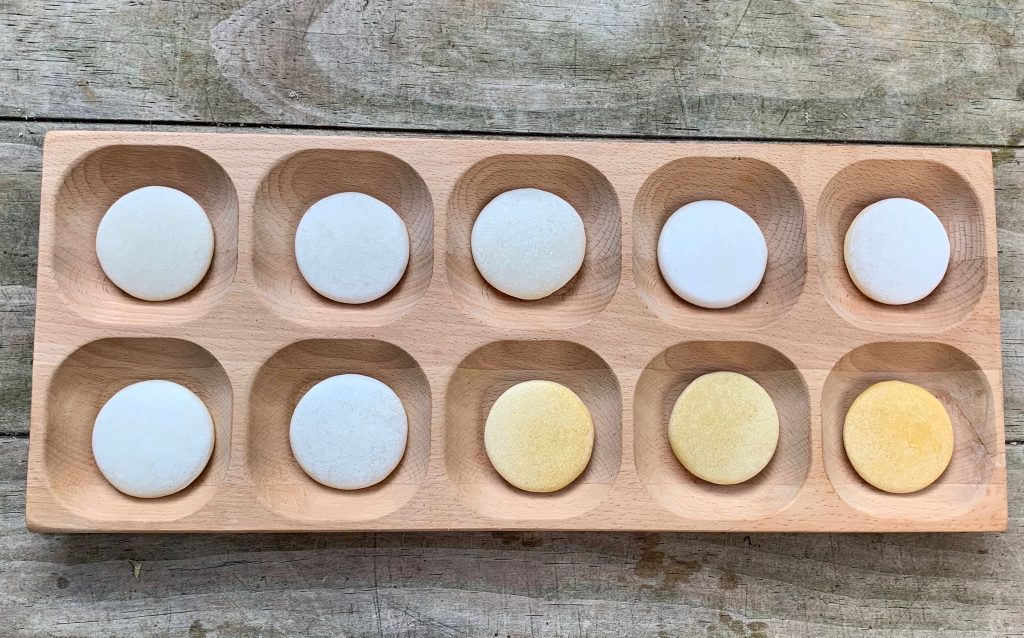
I love this card game for so many reasons, but the main one is its resemblance to the design of a ten frame. Garbage—with its two rows of five cards—can be an incredibly effective way to strengthen early math skills because the cards are arranged in a pattern that children recognize or will recognize from their ten-frame activities.
That small deck of playing cards contains a lot of math just waiting to be explored. As this game progresses, you'll have many opportunities to observe and assess each player's number sense. Can each child identify the numbers by name?
Ready to get started? Check out this How to Play Garbage video for step-by-step instructions. Then grab a deck of cards and let the learning begin!