Let Them Play – The Power of Loose Parts
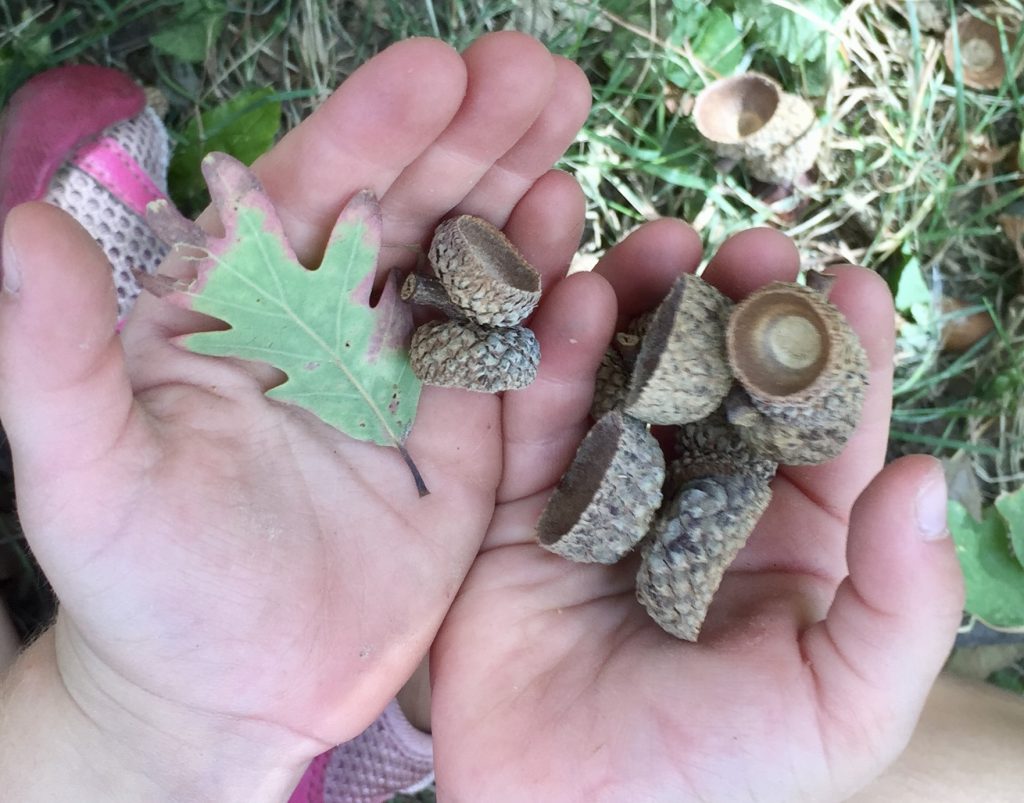
As the leaves turn golden and the air gets crisp, something magical happens—not just in nature, but in the minds of young children. Fall isn’t just sweater weather and pumpkin spice season; it’s the perfect time to dive into the world of loose parts play.
You may have heard the term “loose parts” floating around in early childhood circles—and for good reason. These simple, open-ended materials can transform how children learn, especially when it comes to language, math, and problem-solving. I’ve seen it firsthand: when we introduced natural loose parts into our classroom, the learning deepened, the conversations grew richer, and the creativity soared.
And guess what? You don’t need fancy toys or expensive kits. A walk through your neighborhood or local park is all it takes to spark curiosity, creativity, and kindergarten readiness. Loose parts are open-ended materials that children can move, combine, redesign, and explore. Think pinecones, acorns, sticks, leaves, stones, seed pods, feathers, and even the occasional twisty twig. These treasures don’t come with instructions—and that’s the point! They invite children to imagine, build, sort, and create on their own terms.
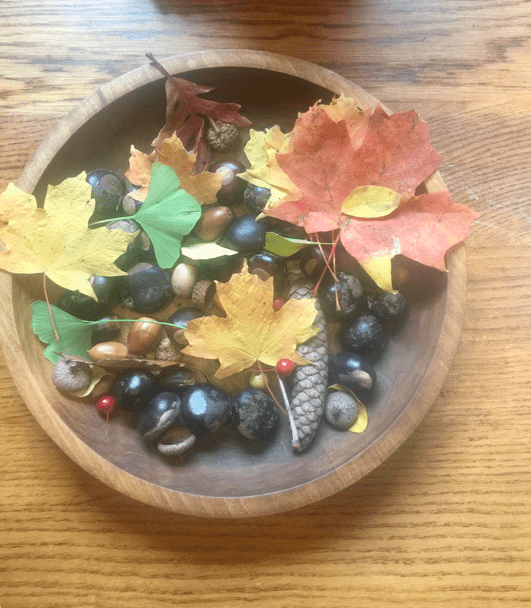
When children engage with them, they’re developing critical thinking, problem-solving, and fine motor skills. They’re learning how to make decisions, test ideas, and collaborate. In short, they’re doing the kind of work that sets the stage for success in kindergarten and beyond.
Here’s the secret: kindergarten readiness isn’t just about knowing letters and numbers. It’s about being able to think, communicate, and adapt. Loose parts play supports this beautifully:
Language Development: Children narrate their play, describe textures, and invent stories.
Social Skills: Sharing materials, negotiating roles, and working together builds empathy and cooperation.
Brain Development: Sorting, matching, and pattern-making lay the groundwork for early math and science.
Motor Skills: Picking up tiny acorns or arranging leaves strengthens hand muscles and coordination.
And the best part? It all happens naturally. No worksheets. No flashcards. Just play.
When a child picks up an acorn, they’re not just collecting—they’re connecting. The texture, weight, and shape of an acorn spark curiosity. Is it smooth or bumpy? Does it have a cap? Is it whole or cracked? Are there two connected to each other? These questions lead to conversations, comparisons, and discoveries.
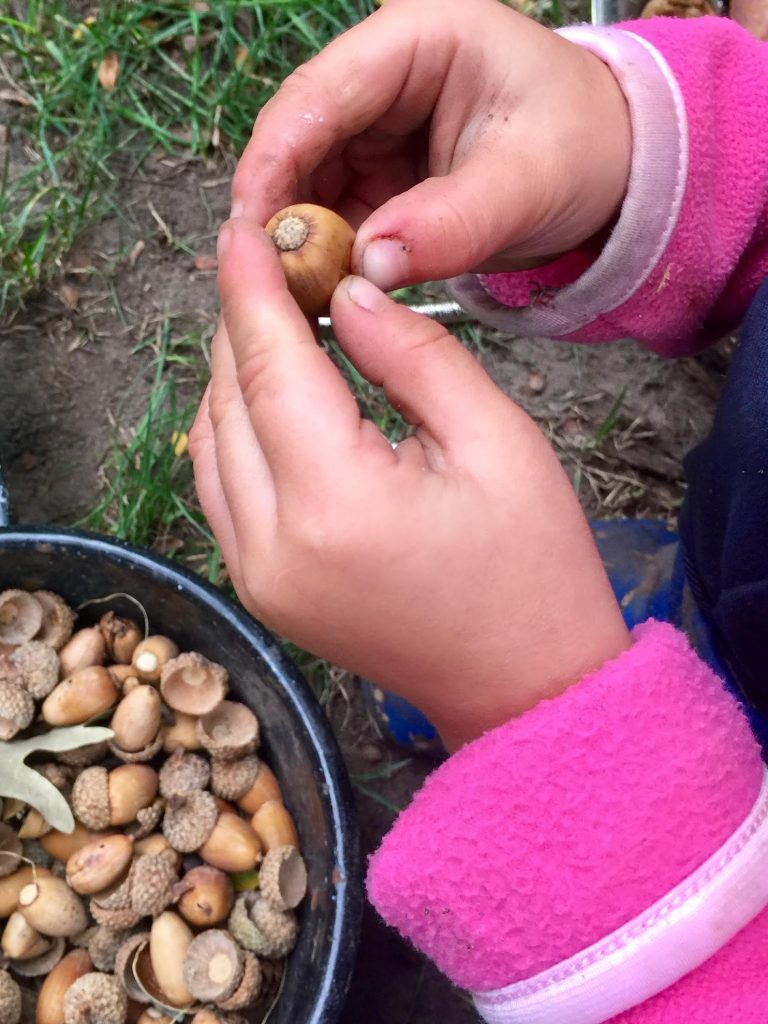
There’s a saying in early childhood education: “If it touches the hand, it touches the brain.” When children manipulate objects—turning them over, stacking them, lining them up—they’re not just playing. They’re wiring their brains for focus, memory, and attention. These hands-on experiences help build longer attention spans and deeper engagement. Ever wonder why your child’s pockets are full of rocks, buttons, or bottle caps? Those little treasures are often loose parts that sparked their curiosity. They’re reminders of moments when your child was fully present, exploring the world with all their senses.
Ready to get started? Grab a basket or a bag, bundle up, and head outside. Your mission: collect nature’s treasures. Tell your child you’re going on a treasure hunt. What kinds of things might you find? Colorful leaves? Smooth stones? Spiky seed pods? Encourage your child to choose items that are interesting to them. Talk about colors, shapes, textures, and smells.
Once home, dump your collection into a bowl or tray. Watch as your child begins to sort, stack, and arrange—no prompting needed!
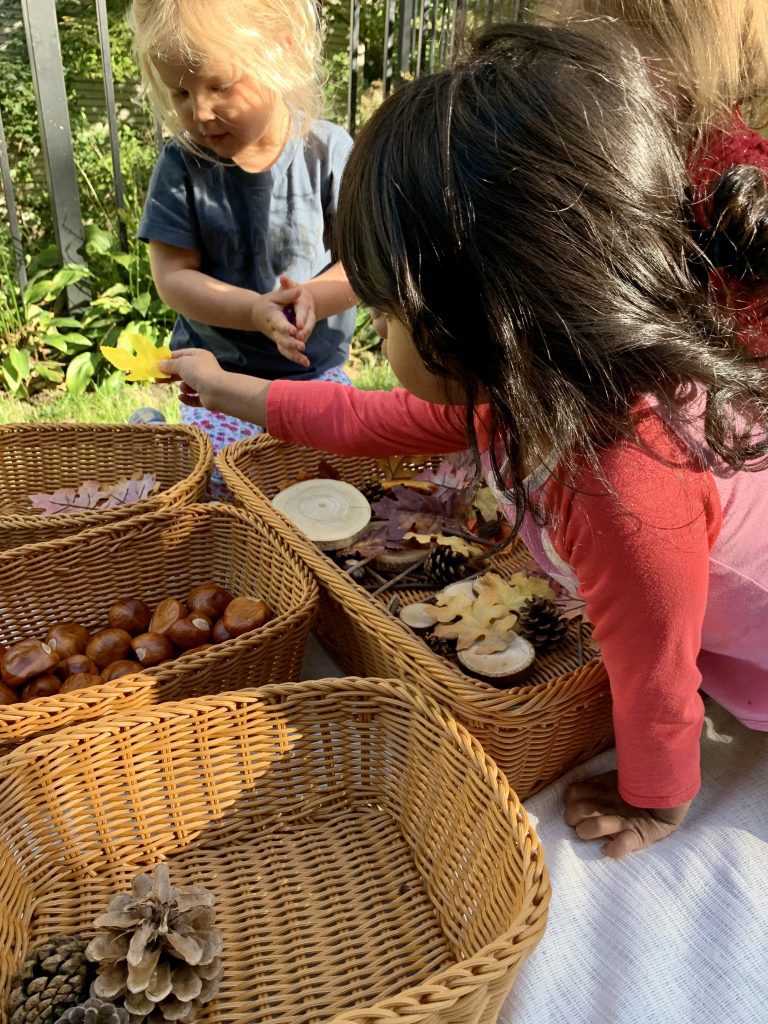
Loose parts play is deceptively simple. It looks like fun (and it is!), but beneath the surface, your child is building the skills they’ll need to thrive in school. They’re learning to observe, compare, predict, and explain. They’re practicing patience, persistence, and creativity.
So next time you head out on a fall walk, remember: every leaf crunched, every acorn collected, every pinecone sorted is a step toward kindergarten readiness. And all you had to do was follow their lead.